top of page

Read about Citrine ↓

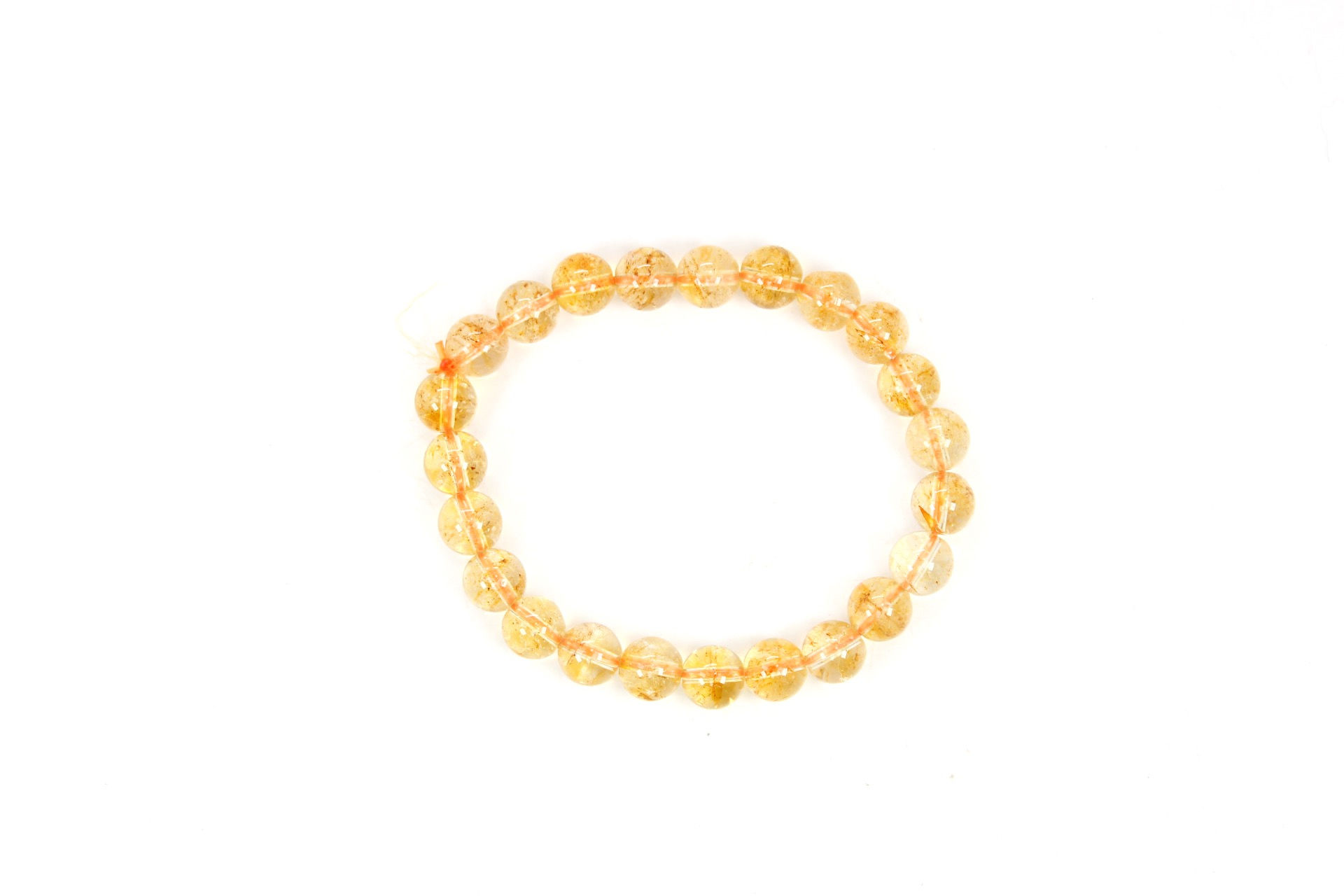
Citrine bead bracelet


Citrine

Stone of Wealth & Wisdom

Known as Saxon topaz

Solar Plexus Chakra

November Birthstone


Holistic Healing:

Traditionally associated with optimism, abundance and a sunny, energising outlook. In crystal lore it is also linked to motivation and a bright, cheerful mood.


Metaphysical Traditions:

Aligned with the Solar Plexus Chakra and known in tradition as the "merchant's stone", kept in the till to invite prosperity.


Citrine Bead Bracelet

Rating is 5.0 out of five stars based on 1 review
£19.99 Regular Price
£15.99Sale Price
Quantity
  • Composition

    SiO2

  • Stock photo

    Hand-picked to match the photo

    Every crystal is unique, so yours will vary slightly in shape and colour, but it will be the same quality as the one pictured. Want the exact piece? Shop our one-off pieces, each photographed individually.

  • Quantity

    Please note the price is for 1 bracelet

  • Nature

     This is a heat treated citrine.

Reviews

Rated 5 out of 5 stars.
Based on 1 review
1 review

  • Gavin HewitsonMay 07, 2025
    Rated 5 out of 5 stars.

    Beautiful item. The only place to get crystals online. It's a labour of love and always a delight to get a package delivered from here. Namaste 🙏

About Citrine  –


Citrine is yellow to golden-orange quartz, and natural stones are usually a soft champagne or pale lemon. Most commercial citrine, including the bright orange clusters and points, is heat-treated amethyst – still genuine quartz, just warmed to change its colour. Either way, its sunny glow makes it one of the shop's most popular stones.


Natural citrine forms in the same quartz veins and cavities as amethyst and smoky quartz, where traces of iron and natural warmth within the earth give its yellow tint.


Care & Cleansing  +

Spotting a Fake  +

Cool Facts  –


Citrine was historically called "the merchant's stone," as shopkeepers would keep a piece in their cash register believing it would attract wealth and prosperity.


Most Citrine sold today is actually heat-treated Amethyst, which turns a similar golden-yellow when heated to high temperatures. Natural, untreated Citrine is much rarer.


The name comes from the Latin citrina, after the yellow of the citron fruit, and large faceted citrines were a signature of Art Deco jewellery in the 1920s and 1930s.


The Science  +

Related Products

Add your Birthday to receive a birthday treat
Day
Month
Year
bottom of page