top of page

Read about Hypersthene ↓

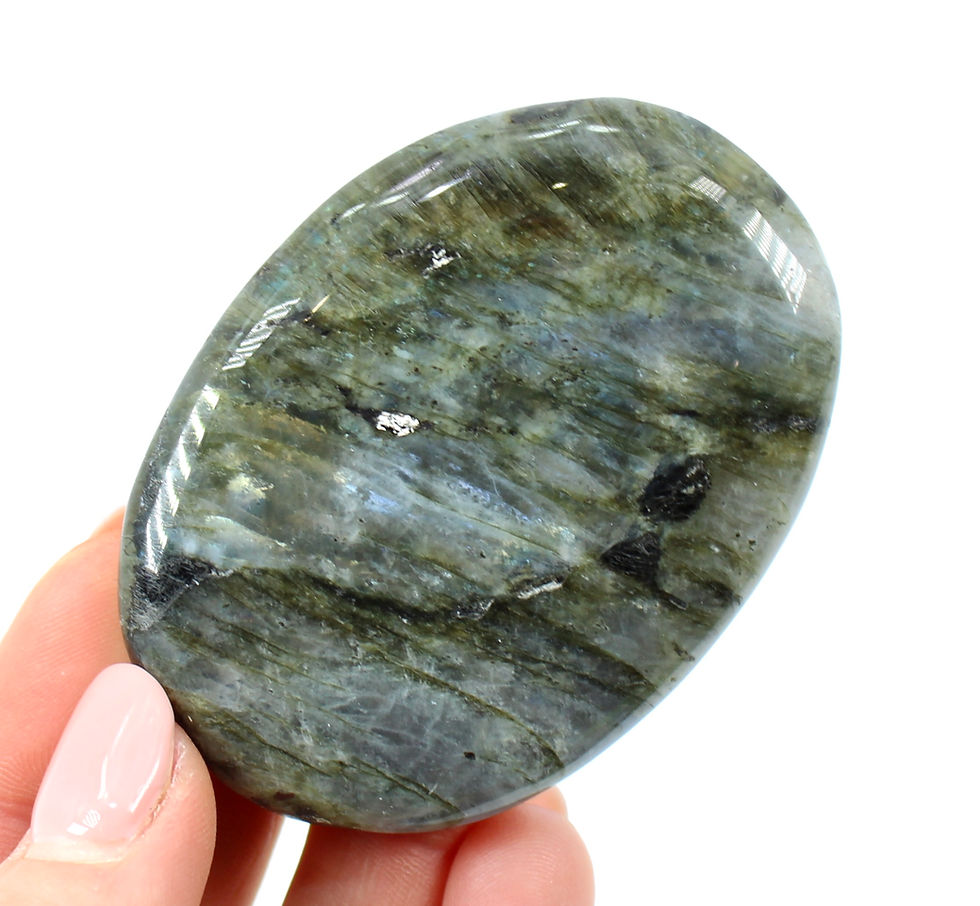
Beautiful Hypersthene palmstone with velvety bronze shimmers


Hypersthene

Stone of Strength

Root and Third Eye Chakras

Aries · Libra


Holistic Healing:

Traditionally associated with calm, decision making and inner strength. In crystal lore it is also linked to restful sleep, and to calm problem-solving.


Metaphysical Traditions:

Regarded in tradition as a stone for quieting the mind before a decision.

Hypersthene Palmstone

£19.99Price
Quantity
Only 1 left in stock
  • Delivery & Free Gift

    Free UK delivery on orders over £29.98

    🎁 All orders come with a free wee gift: a crystal, a Chinese lucky coin and an incense cone or stick.

  • Composition

    (Mg,Fe)SiO3

  • Stock Photo

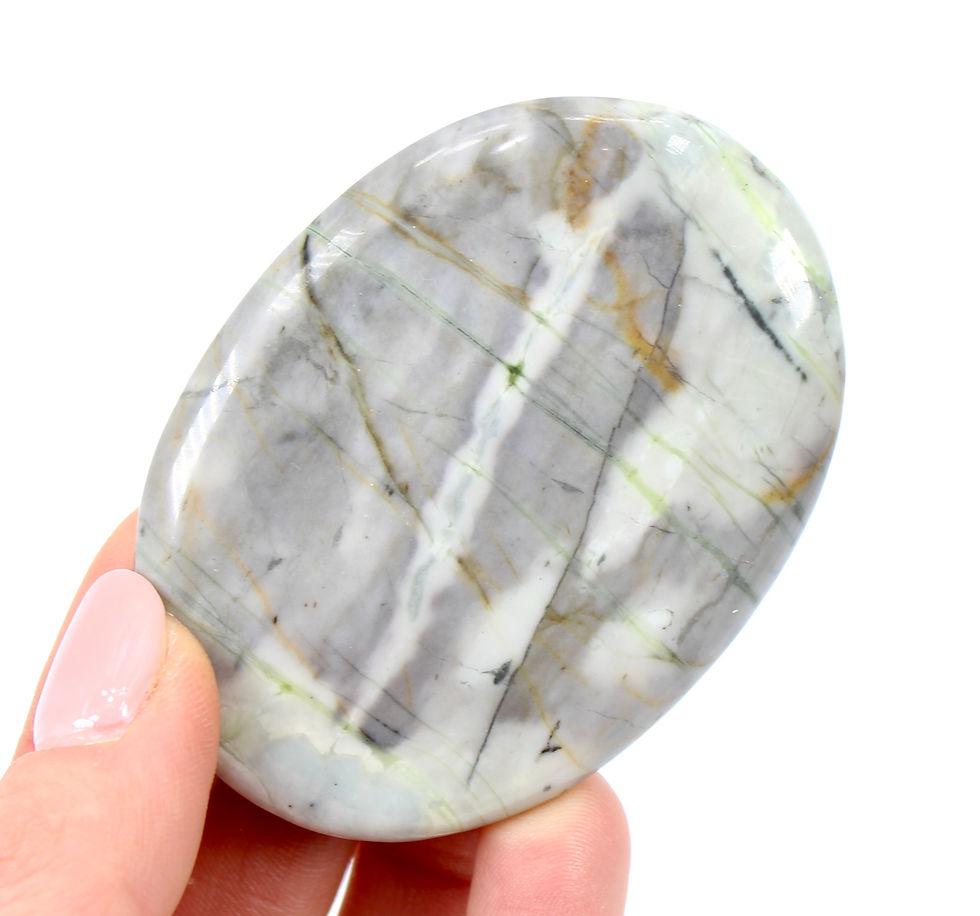
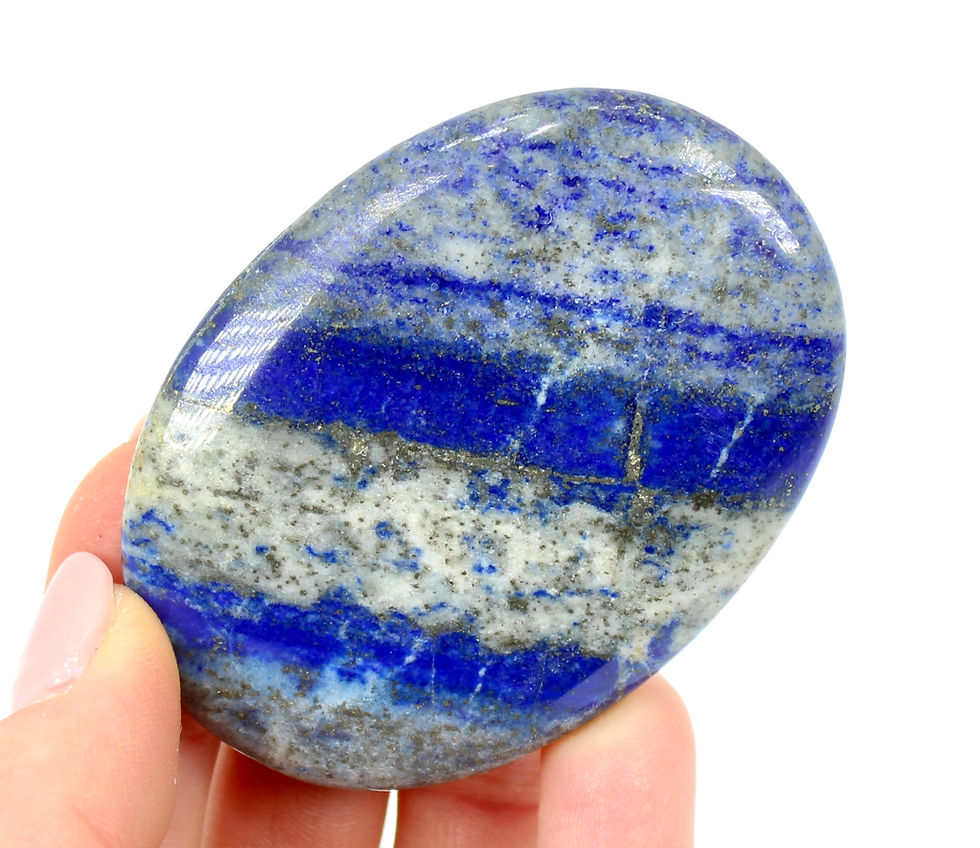
    This is a stock photo of the crystal piece. Everything on our website is of the highest quality and you will receive a piece to the same standard and quality as the item pictured. However due to the nature of crystals, and their difference, it will vary slightly from the image here.

    If you would like to pick the exact item you will receive then check out our 1000s of one off pieces. 90% of our website is unique pieces and will have exact pictures for that item. Or check out our LIVE sales!

No Reviews YetShare your thoughts. Be the first to leave a review.

About Hypersthene  –


Hypersthene is a former mineral name for an iron-bearing orthopyroxene, dark brown to black with a coppery or silvery sheen (schiller) that flashes across the surface. The name is no longer recognised by mineralogists, who now call it enstatite or ferrosilite, but it lives on in the crystal world.


It forms in igneous rocks such as norite and gabbro and in high-grade metamorphic rocks, crystallising from magnesium- and iron-rich melts.


Care & Cleansing  +

Spotting a Fake  +

Cool Facts  –


Hypersthene is a pyroxene mineral whose silvery sheen comes from thin plates of hematite inside it.


Its name comes from the Greek for "over-strength", because it is harder than hornblende, which it resembles.


It is found in igneous rocks and even in some meteorites.


Its name comes from Greek for 'over strength', because it was thought to be harder than hornblende; the name was officially retired in 1988.


The Science  +

Related Products

Add your Birthday to receive a birthday treat
Day
Month
Year
bottom of page